
Growing with Sanskar
Five practices that weave tradition into school life — from weekly bhajans to Tulasi Puja — so values are lived, not just taught.
Sanskar as everyday practice
At VBV, sanskar is not an event — it is a rhythm. The five programmes below are part of the school calendar from Nursery upwards, connecting devotion, discipline and community.
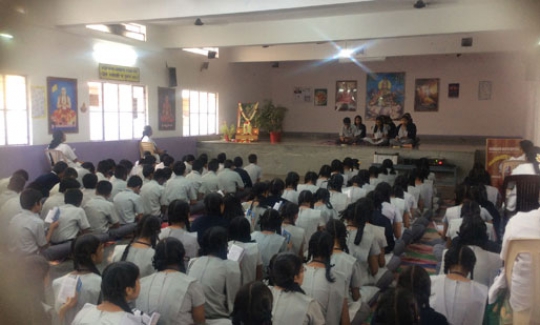
Bhajans
Bhajan — “to share and to possess” — helps to lubricate the minds and keep the children refreshed and revived. It helps in possessing concentration and attention. Keeping this in view, bhajan classes are conducted from Nursery to X Std. on every Friday.
Aksharabhyasa
The initiation into letters — a sanskar that marks the beginning of formal learning with reverence for knowledge, teachers and the learning journey ahead.

Guru Purnima
A day of reverence for gurus — honouring those who guide, correct and illuminate. Students express gratitude and renew their commitment to learning.
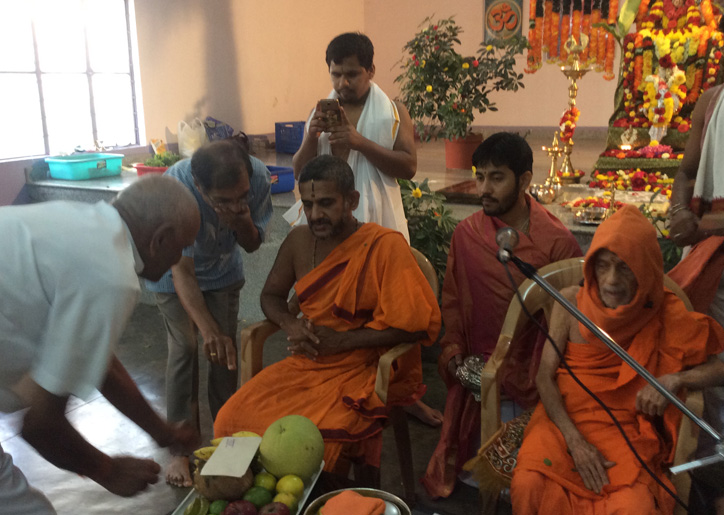
Kanya Puja
Kanya Puja involves performing puja for young girls by treating them as forms of Goddess Durga. An aarti is performed in the school and these girls are given baagina sets containing kumkum, turmeric, bangles and other ornaments.
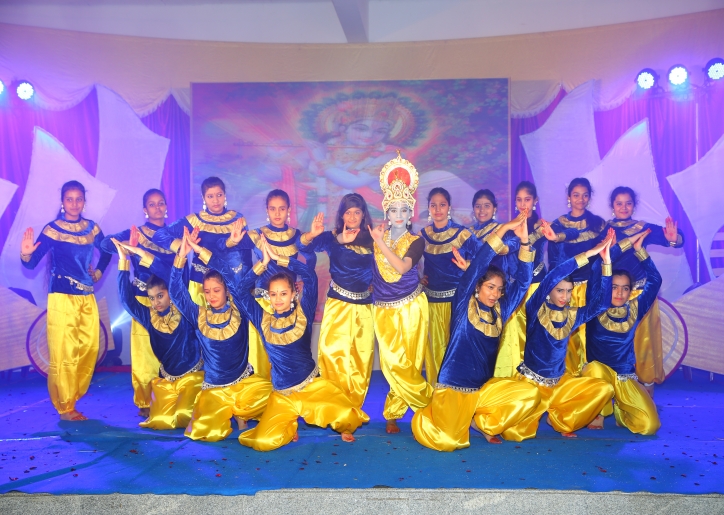
Tulasi Puja
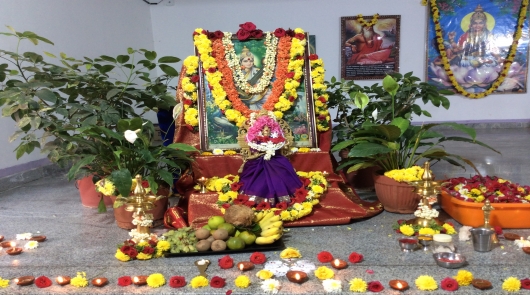
Tulasi Puja is the Hindu festival involving the ceremonial marriage of Tulasi with Lord Vishnu. Students bring Tulasi Pots, perform puja by chanting Shlokas. This also signifies the Ayurvedic and medicinal properties of Tulasi and its healing powers.
A note on sources
The Bhajan description above is preserved from the source record; the source repeats the same Bhajan text under Aksharabhyasa and Guru Purnima. Aksharabhyasa and Guru Purnima cards here use concise editorial summaries faithful to the programme names and VBV context rather than repeating that duplicated paragraph.